
|
|
Yes, some places will literally pay you to move there.
Not with vague promises or influencer hype — but with real cash incentives, tax breaks, subsidized housing, and fast-track residency programs.
As remote work becomes normal and talent becomes mobile, countries and regions facing population decline, aging demographics, or talent shortages are competing for you.
If you’re a remote worker, freelancer, or digital nomad, this might be the smartest relocation move you can make.
Below are the best countries that pay you to move, how their programs work, and who they’re actually best for.
🇮🇹 Italy: Villages That Pay You to Move In
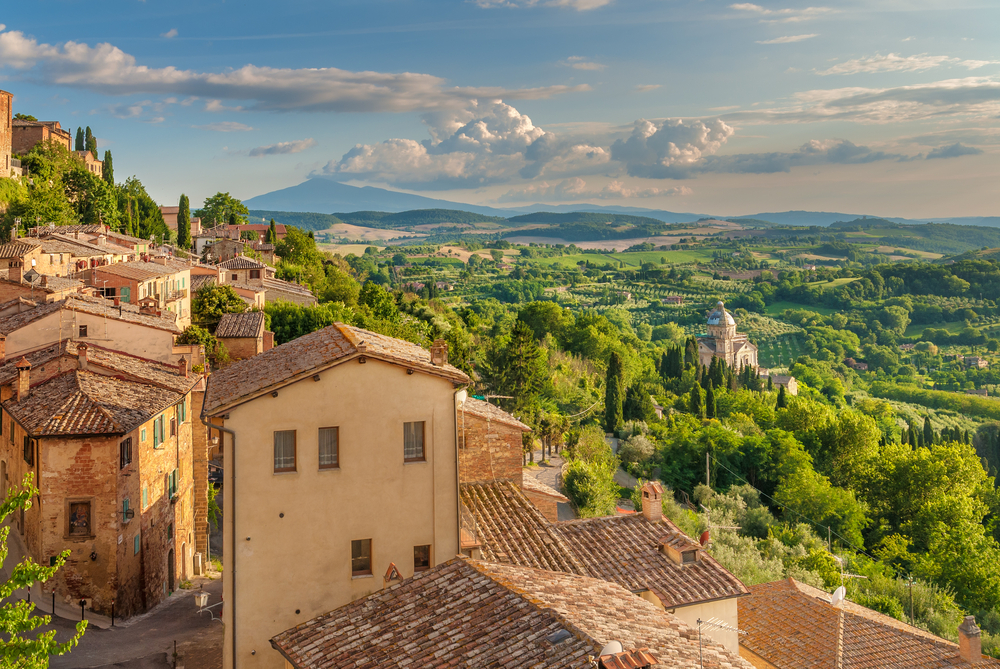
Italy is the poster child for “pay you to move” programs.
Dozens of rural villages — especially in Calabria, Sicily, Sardinia, and Molise — are fighting depopulation by offering cash grants, cheap homes, and tax advantages to newcomers.
What you can get
👉 €3,000–€30,000 in relocation incentives
👉 Homes sold for €1 (with renovation requirements)
👉 Local tax reductions
👉 Support for opening a small business or freelancing locally
The fine print
Most programs require that you:
👉 Register as a resident
👉 Commit to staying 2–5 years
👉 Sometimes start a business or freelance locally
For remote workers, this is increasingly flexible — especially if you already have foreign income.
Who this is perfect for
✔ Freelancers with EU residency
✔ Remote workers wanting a slow, authentic lifestyle
✔ People who don’t need big-city infrastructure
Italy isn’t paying you to “visit.”
They’re paying you to rebuild local life.
🇪🇸 Spain: Relocation Grants + Digital Nomad Visa

Spain has quietly become one of the best deals in Europe for remote workers.
While the Spain Digital Nomad Visa gives you legal residency, rural regions add extra incentives on top.
Regions offering money to move
👉 Extremadura
👉 Castilla-La Mancha
👉 Aragón
👉 Galicia
What you can get
👉 €5,000–€15,000 relocation bonuses
👉 Extra payments per child
👉 Reduced rent or free coworking
👉 Tax incentives in some regions
Why Spain works well for remote workers
✔ Excellent internet
✔ Strong healthcare system
✔ Warm climate
✔ Lower cost of living outside Madrid/Barcelona
Spain isn’t just paying you — they’re making it easy to stay legally.
🇯🇵 Japan: Rural Programs Paying You to Relocate
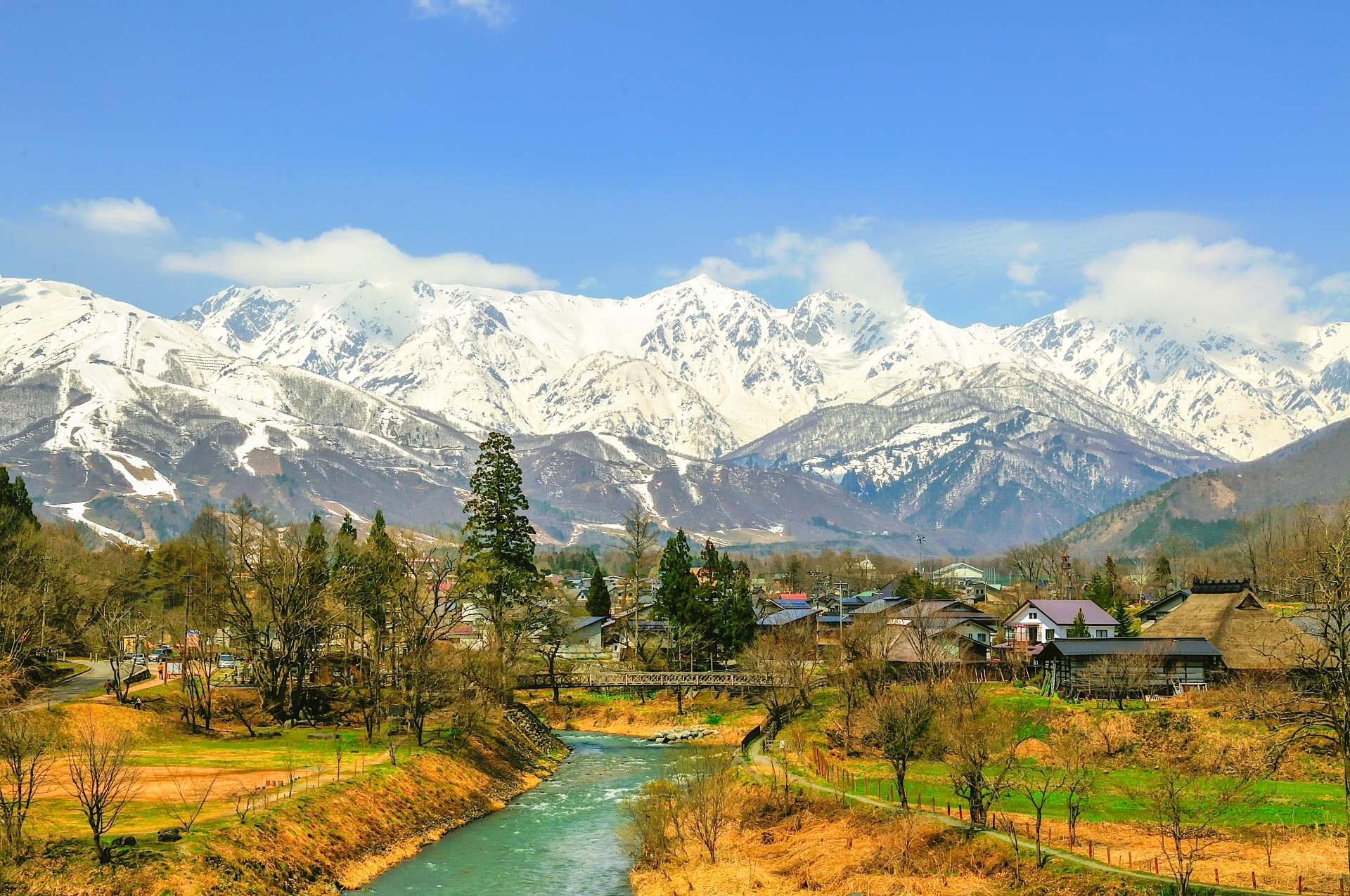
Japan may surprise you — but it has some of the most generous rural relocation incentives in the world.
Thousands of villages face extinction due to aging populations, and they want young, working-age residents.
What Japan offers
👉 Up to ¥3–5 million (≈ €20,000–€35,000)
👉 Free or extremely cheap “akiya” houses
👉 Subsidies for families and entrepreneurs
👉 Local support offices helping you settle
The challenge
👉 Visa requirements are stricter
👉 Language helps a lot
👉 Programs vary by municipality
Still, Japan is actively experimenting with remote-friendly visas and entrepreneurship paths.
Who this is best for
✔ Remote workers with long-term plans
✔ Freelancers open to cultural immersion
✔ People seeking safety, order, and nature
Japan doesn’t just want residents.
They want new local life.
🇨🇦 Canada: Atlantic Immigration Pilot (AIP)
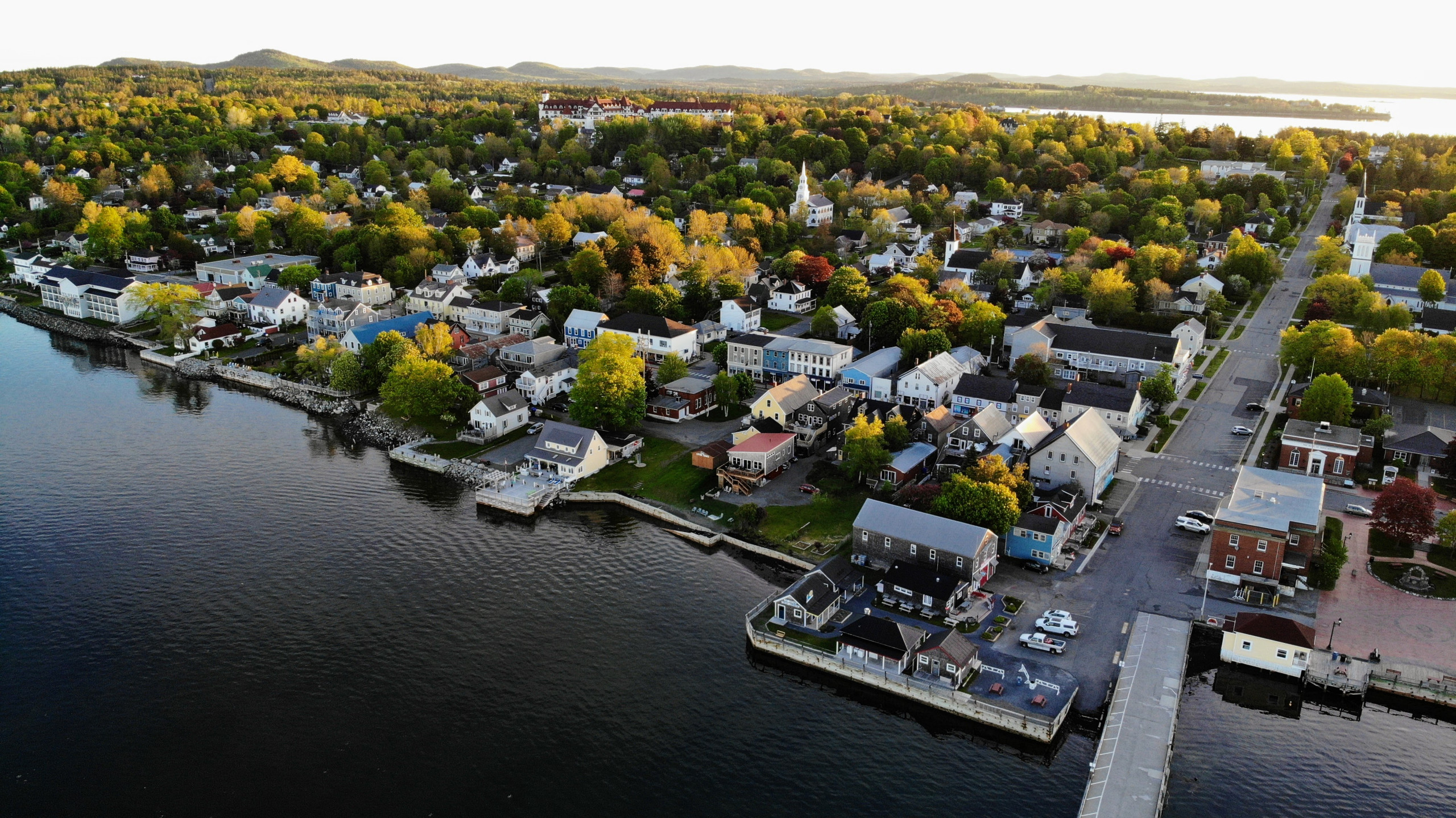
Canada doesn’t always hand you cash — but it offers something just as powerful:
👉 Permanent residency pathways
The Atlantic Immigration Program (AIP) targets remote and underpopulated regions like:
👉 Nova Scotia
👉 New Brunswick
👉 Newfoundland & Labrador
👉 Prince Edward Island
What you get
👉 Fast-track permanent residency
👉 Settlement support
👉 Access to public healthcare
👉 Strong infrastructure + safety
Some provinces also add:
👉 Relocation grants
👉 Housing support
👉 Employer sponsorship flexibility
Ideal for
✔ Freelancers wanting long-term stability
✔ Remote workers earning in USD/EUR
✔ Families planning permanent relocation
Canada’s strategy is simple:
Come stay. Build your life here.
🇮🇪 Ireland: Remote Relocation to Islands

Ireland launched one of Europe’s most interesting programs: “Our Living Islands.”
It targets remote workers willing to move to offshore islands.
What’s included
👉 Grants up to €84,000 (mainly for housing renovation)
👉 Support for connectivity
👉 Long-term residency incentives
👉 Strong community integration
Who it’s for
✔ Remote workers with stable income
✔ Nature lovers
✔ People escaping big-city burnout
This isn’t a digital nomad hotspot — it’s a life redesign.
🇨🇱 Bonus: Chile & South America (Indirect Incentives)
While South America doesn’t always “pay you to move” directly, some countries offer cash-equivalent benefits.
Chile’s programs historically included:
👉 Startup grants
👉 Fast-track visas
👉 Tax advantages
Combined with:
👉 Low cost of living
👉 High quality of life in secondary cities
It’s not free money — but it’s financial leverage.
Why Countries Are Paying You to Move
This isn’t charity.
It’s economics.
👉 Aging populations
👉 Empty housing
👉 Schools closing
👉 Local economies shrinking
Remote workers bring:
✔ Income
✔ Skills
✔ Consumption
✔ Long-term stability
You’re not a tourist.
You’re infrastructure.
Is “Pay You to Move” Really Worth It?
Short answer: Yes — if you think long-term.
These programs reward people who:
👉 Stay
👉 Integrate
👉 Spend locally
👉 Build community
If you’re chasing quick arbitrage, it’s not for you.
But if you’re a freelancer or remote worker designing a sustainable lifestyle, these incentives can reduce risk dramatically.
Final Thoughts
The era of being tied to one country is ending.
The new reality:
👉 Countries compete for talent
👉 Remote workers choose ecosystems
👉 Lifestyle becomes a strategic decision
And yes — some places will pay you to move.