|
|
Table of Contents
ToggleA growing number of remote professionals are moving beyond capital cities and well-known hubs, looking instead for places that offer something deeper: space, nature, focus, and a sense of belonging.
And increasingly, smaller towns like Bovec are entering that conversation.
A real-life experiment: Bovec in winter
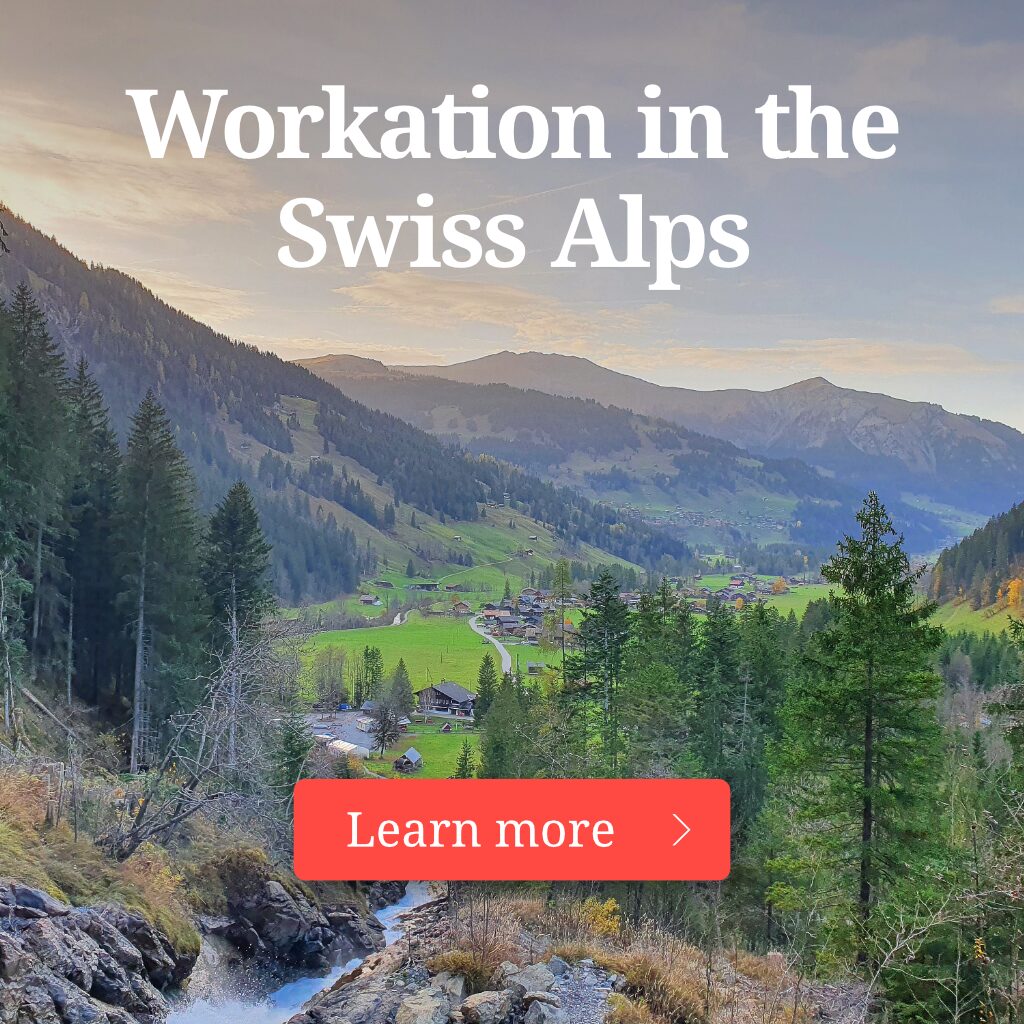
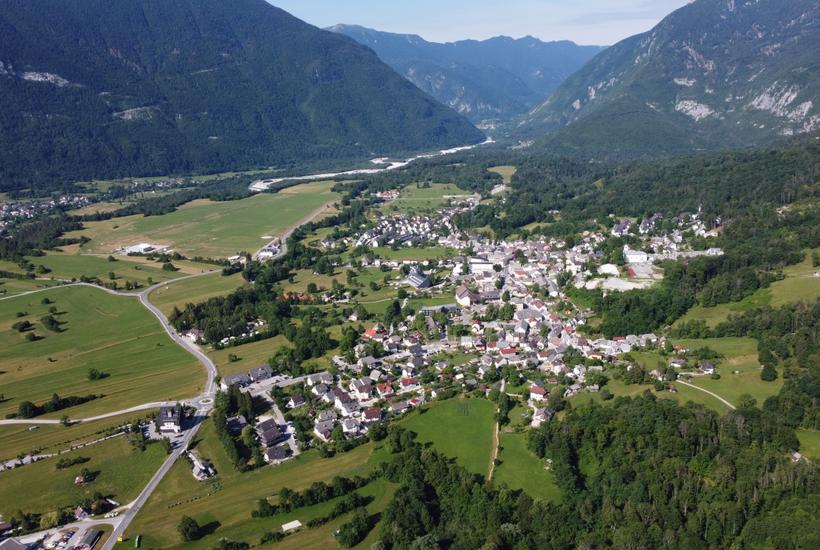
This winter, we ran the second edition of our Hubs Travel workation in Bovec — a small alpine town of around 1,500 inhabitants, tucked away in Slovenia’s Julian Alps.
For several months, remote professionals joined us to live and work together in a setting that couldn’t be further from the typical “digital nomad city.”
👉 Participants stayed between 1 and 3 months
👉 They joined an international community of remote professionals
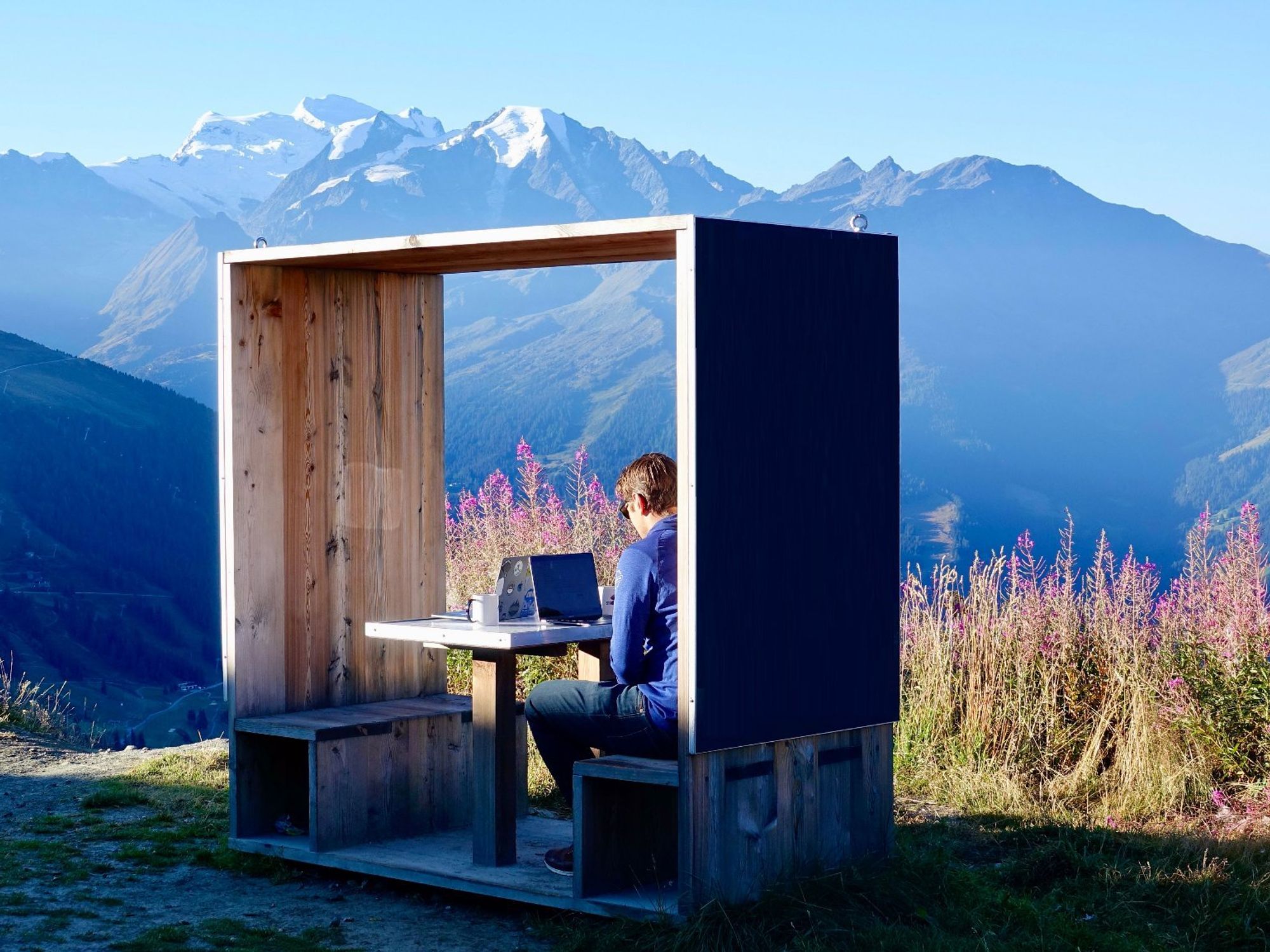
👉 They worked remotely while surrounded by mountains
👉 They experienced winter hikes, nearby ski areas, and cross-border trips
On paper, Bovec is not an obvious choice.
It’s not a major city.
It’s not a startup hub.
It’s not even particularly active in winter.
But that’s precisely why it works.
Because what it lacks in scale, it compensates for in experience.
The shift from “where it’s easy” to “where it’s meaningful”
The first wave of digital nomadism was driven by convenience.
👉 good Wi-Fi
👉 cheap cost of living
👉 established communities
Cities like Lisbon or Bali became defaults because they checked those boxes.
But today, a second wave is emerging — one that is less about convenience, and more about intentional living.
Remote workers are starting to ask different questions:
👉 Where can I actually focus?
👉 Where do I feel good on a daily basis?
👉 Where can I build meaningful connections?
Smaller towns answer these questions in ways that large cities increasingly cannot.
The economics of smaller destinations
One of the most overlooked aspects of this shift is its economic potential — both for remote workers and for the destinations themselves.
For remote professionals
Smaller towns often provide:
👉 Better value for longer stays (1–3 months)
👉 Larger living spaces compared to cities
👉 Lower daily spending pressure
This changes behavior.
Instead of “passing through,” people settle in.
Instead of spending impulsively, they integrate into local life.
For destinations
Workations create a fundamentally different type of visitor:
👉 longer stays (30–90 days vs 2–5 days for tourists)
👉 more stable spending patterns
👉 deeper local engagement
In Bovec, this translated into:
👉 regular use of local cafés and restaurants
👉 participation in local activities
👉 off-season revenue for accommodation providers
This is not tourism as we know it.
It’s closer to temporary residency.
The infrastructure paradox
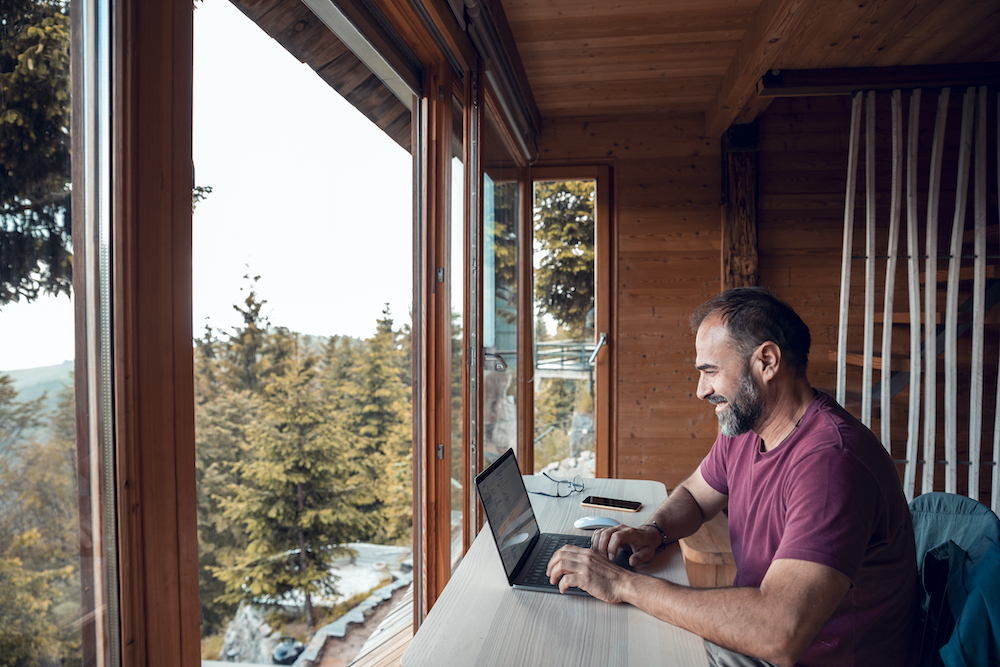
One of the biggest misconceptions is that smaller towns need massive infrastructure investments to attract remote workers.
In reality, the requirements are relatively simple — but non-negotiable:
👉 Stable and fast internet
👉 Comfortable, work-friendly accommodation
👉 Quiet environments
👉 Basic accessibility (transport, groceries, healthcare)
The paradox is this:
👉 The bar is not high — but it must be consistent.
A single weak link (unreliable Wi-Fi, poor heating, lack of desks) can break the experience.
What we’ve seen in Bovec is that once these fundamentals are in place, the destination’s natural strengths take over.
Community as the multiplier

Without it, smaller towns risk feeling isolating.
With it, they become transformative.
During the Bovec workation:
👉 People didn’t just coexist — they connected
👉 Shared dinners became routine
👉 Group hikes turned into bonding moments
👉 Professional collaborations even emerged
This is where smaller destinations have a hidden advantage.
In large cities, social interactions are often fragmented.
In smaller towns, proximity creates intensity.
Connections form faster, and often go deeper.
Seasonality as an opportunity, not a problem
Traditionally, destinations like Bovec operate on a strong seasonal cycle.
👉 High season: summer tourism
👉 Low season: economic slowdown
Workations introduce a new layer.
👉 They activate the off-season
👉 They smooth demand across the year
👉 They create predictability for local businesses
In Bovec, winter — typically quieter — became a period of consistent activity.
And this has broader implications.
If replicated at scale, this model could help:
👉 reduce dependency on peak tourism
👉 stabilize local economies
👉 create year-round opportunities
The psychological impact of environment
One of the most underestimated aspects of remote work is the impact of environment on mental health and productivity.
In Bovec, participants reported:
👉 improved focus
👉 reduced stress
👉 better work-life balance
Why?
Because the environment naturally encourages healthier routines:
👉 stepping outside becomes effortless
👉 nature acts as a reset between work sessions
👉 social interactions feel more intentional
This creates what could be described as “sustainable productivity.”
Not driven by pressure — but by alignment.
Challenges that still need to be addressed
Despite the potential, smaller towns are not a perfect solution.
There are still real challenges:
👉 Limited housing supply during certain periods
👉 Transport accessibility (especially in winter)
👉 Risk of over-dependence on a single model
👉 Need for local buy-in and coordination
There’s also a delicate balance to maintain.
Too much success can lead to:
👉 rising prices
👉 loss of authenticity
👉 tension with local communities
This is why the model needs to be developed carefully — with long-term thinking.
A blueprint for the future?
What Bovec shows is not an isolated case.
It’s a prototype.
A glimpse into what remote work in Europe could look like in the coming years.
A network of smaller destinations, each offering:
👉 unique environments
👉 curated communities
👉 seasonal experiences
Rather than competing with cities, they complement them.
👉 Cities for energy and opportunity
👉 Smaller towns for focus and quality of life
Beyond remote work: a lifestyle shift
For many participants, the Bovec experience wasn’t just about working remotely.
It was about rethinking how they want to live.
👉 Slowing down without losing ambition
👉 Prioritizing experiences over convenience
👉 Building real connections in temporary places
This is where the real shift lies.
Remote work is not just changing where we work.
It’s changing what we expect from life while working.
What comes next
The current Bovec workation will wrap up at the end of March.
But what we’ve seen there goes far beyond a single edition.
It reinforces a strong belief:
👉 Smaller destinations can become incredible hubs for remote professionals — when the right infrastructure and community are in place.
The opportunity is massive.
But it requires vision, coordination, and execution.
Because the future of remote work might not be in bigger cities.
👉 It might be in places you’ve never considered — until now.