
For many years, the image of the remote worker or digital nomad was relatively simple: a laptop on a beach, a new country every few weeks, and a lifestyle defined by constant movement.
But something interesting has started to happen over the last few years.
While remote work has expanded dramatically, the way people actually live and work remotely is quietly evolving. Instead of moving every few weeks, many professionals are choosing to stay longer in one place. Instead of constantly chasing the next destination, they are looking for environments where they can settle temporarily, build routines, and remain productive.
In other words, remote work is becoming slower.
This emerging trend — sometimes referred to as slow remote work — reflects a broader shift in how people combine work, travel, and lifestyle. Increasingly, professionals are opting for one-to-three-month stays, often called workations, rather than short-term digital nomad travel.
And this shift is changing not only the way people work remotely, but also how destinations think about tourism and long-term visitors.
From Fast Nomadism to Sustainable Mobility
The early digital nomad movement was largely built around speed and flexibility. Remote workers moved frequently between destinations, often spending only a few weeks in each place.
This model worked well for people prioritizing exploration and freedom. However, it also came with significant trade-offs.
Constant relocation can quickly become exhausting. Finding accommodation, adapting to new environments, managing time zones, and rebuilding routines repeatedly can affect both productivity and well-being.
As remote work becomes more mainstream — with professionals, entrepreneurs, and employees adopting it long term — many are realizing that stability matters just as much as mobility.
Instead of relocating every few weeks, a growing number of remote workers now prefer to stay somewhere long enough to actually experience a place.
That’s where the idea of slow remote work begins to take shape.
Why One to Three Months Is the Sweet Spot
When remote professionals choose to relocate temporarily, many find that one to three months strikes the right balance.
Shorter stays often don’t allow enough time to settle in. By the time someone has found their favorite café, optimized their workspace, and adjusted to the local rhythm, it may already be time to leave.
Longer stays, on the other hand, can start to feel like a full relocation.
A one-to-three-month period offers something in between: enough time to build routines, stay productive, and experience a destination more deeply, while still maintaining the sense of mobility that makes remote work appealing.
For many professionals, this format feels significantly more sustainable than traditional digital nomad travel.
Productivity Is Becoming the Priority
Another reason behind the rise of slow remote work is simple: remote professionals still need to work effectively.
In the early days of digital nomad culture, productivity sometimes took a back seat to lifestyle and exploration. But today, many remote workers hold demanding roles, run businesses, or manage teams across multiple time zones.
For them, remote work is not a vacation. It’s a different way of structuring their life and work environment.
Longer stays help maintain focus and stability. Having a consistent workspace, reliable internet, and a predictable daily rhythm makes it much easier to stay productive.
This is one reason why structured workations are becoming more popular. Instead of improvising each relocation, many professionals prefer environments designed specifically for remote work — with proper accommodation, coworking spaces, and a community of like-minded people.
The Importance of Community
Another key aspect driving slow remote work is the growing awareness of how important community is for remote professionals.
Working remotely can offer incredible freedom, but it can also be isolating. Many digital nomads discover that constantly arriving in new destinations makes it difficult to build meaningful connections.
Longer stays change that dynamic.
When people remain in a destination for a month or more, they have time to meet others, form friendships, and participate in local activities. Remote workers often connect not only with fellow professionals but also with the local community.
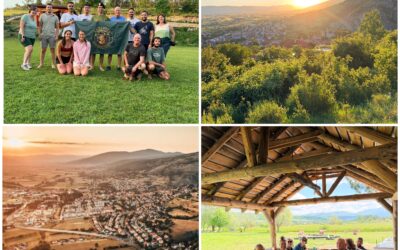
This social dimension is one of the reasons why many workations now combine accommodation with informal events, group activities, and shared experiences.
In this context, remote work becomes less about temporary travel and more about temporary belonging.
Small Towns Are Benefiting From the Trend
Interestingly, the rise of slow remote work is also reshaping where people choose to go.
Traditional digital nomad hubs — major cities or tropical hotspots — remain popular, but they are no longer the only option.
Increasingly, remote professionals are discovering smaller destinations that offer something different: nature, calm environments, and a slower pace of life.
Mountain towns, rural regions, and lesser-known destinations across Europe and beyond are starting to attract remote workers who stay for several weeks or months.
For these places, the impact can be significant.
Unlike traditional tourists who stay only a few days, remote workers often contribute to the local economy over longer periods. They rent apartments, work from local cafés, shop in local stores, and participate in community life.
Some destinations are beginning to recognize that attracting long-term remote visitors could become a powerful way to revitalize quieter seasons and diversify tourism.
A New Relationship Between Work and Place
The broader implication of slow remote work goes beyond travel trends.
It reflects a deeper change in how professionals think about where work happens.
For decades, work was tied to a specific location — usually a corporate office in a large city. Remote work has started to break that connection, allowing professionals to choose environments that better support their lifestyle and well-being.
But rather than becoming completely location-independent wanderers, many people are choosing a middle ground.
They relocate temporarily, explore new places, and experience different environments — while still maintaining structure, productivity, and community.
In that sense, slow remote work represents a more mature phase of the remote work movement.
The Future of Remote Mobility
As remote work continues to evolve, the way people combine work and travel will likely keep changing.
Short-term nomadic travel will always appeal to some. But the growing popularity of longer stays suggests that many professionals are looking for something more balanced.
Workations lasting one to three months offer that balance: enough time to settle, work effectively, and experience a destination more meaningfully.
At the same time, they create new opportunities for destinations willing to welcome remote professionals beyond traditional tourism models.
If the early digital nomad era was about freedom and movement, the next phase may be about stability, community, and intentional mobility.
And in that shift, slow remote work could play a central role in shaping the future of how — and where — we work.
Frequently Asked Questions About Slow Remote Work
What is slow remote work?
Slow remote work refers to remote professionals staying longer in one destination — typically one to three months — instead of constantly moving.
What is a workation?
A workation is a temporary relocation where professionals combine remote work with living in a new destination for several weeks or months.
Why are long stays becoming popular among remote workers?
Longer stays improve productivity, allow deeper local experiences, and help remote workers build routines and community.