Every digital nomad guide tells you the same thing: chase the sun. Go to Bali in the dry season, Lisbon in the spring, the Greek islands in July. Follow the high season, follow the crowds, follow the influencers.
It’s terrible advice.
If you actually work remotely — not just post about it — high season is the worst possible time to travel. It’s expensive, overcrowded, and weirdly bad for productivity. The people who’ve figured this out aren’t chasing peak weather anymore. They’re chasing the opposite: empty trails, quiet co-working spaces, and towns that haven’t been turned into content backdrops yet. They’re traveling off-season, and they’re not telling anyone, because it’s working too well to share.
Here’s why off-season travel is quietly becoming the smartest move in remote work — and why almost nobody’s talking about it yet.
The High-Season Trap
Peak season exists for tourists, not remote workers. Tourists have a finite window — a week, maybe two — so they want guaranteed sun, full daylight, and every restaurant open. Remote workers don’t have that constraint. You’re not squeezing a lifetime of memories into 9 days. You’re living somewhere for weeks or months, working real hours, trying to build an actual routine.
That changes everything about what “good timing” means.
In high season, you’re paying tourist prices for tourist conditions. Apartments triple in price. Popular co-working spaces fill up weeks in advance. The café with decent WiFi has a line out the door. The hiking trail you wanted to clear your head on after a stressful call is packed with tour groups. You moved somewhere to escape your old routine, and instead you’ve inserted yourself into someone else’s vacation.
Worse, high season often coincides with the worst conditions for actually getting things done. Peak summer in Southern Europe means unbearable heat in the early afternoon — exactly when you’re supposed to be deep in a work block. Popular destinations get loud: nightlife ramps up, accommodation gets noisier, everything is calibrated for people who are there to party, not produce.
You end up paying a premium to work in worse conditions. That’s the trap.
What Off-Season Actually Gives You
Flip the calendar a few months and the entire equation changes.
Prices drop, hard. Off-season accommodation can run 30–50% cheaper than peak rates in the same town. Workation and coliving operators often price their off-season editions specifically to fill capacity, which means better rooms, better included perks, and more flexibility on length of stay — this is exactly the model behind multi-month slow remote work workations, where the value comes from staying longer in fewer places rather than rushing through peak-season hotspots.
Towns return to their actual rhythm. This is the part nobody markets well, because it’s hard to put on a postcard. Off-season, you see how a place actually functions — locals running their normal errands, shops at normal capacity, restaurants where the owner has time to talk to you instead of turning tables. You’re not a tourist being processed through a system. You’re closer to being a temporary local.
Infrastructure gets attention, not crowds. Co-working spaces have free desks. Fast internet doesn’t choke under tourist load. The “best café in town” actually has tables. None of this sounds dramatic until you’ve tried to take a client call from a coffee shop that’s three tour groups deep.
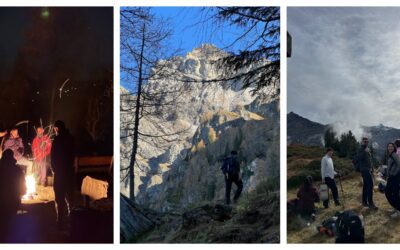
Nature is usable, not Instagrammed. Alpine trails without a queue at the trailhead. Lakes without fifteen rental boats circling. Off-season doesn’t mean bad weather everywhere — shoulder seasons in the Alps, the Balkans, and Central Europe often mean crisp, clear days that are arguably better for hiking and outdoor reset time than the hazy heat of August.
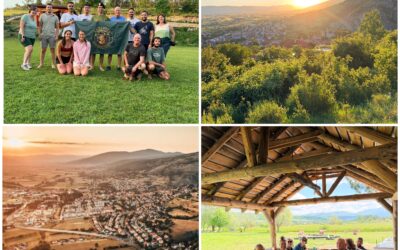
You get real relationships with other travelers. High-season destinations attract high turnover — people in and out in days. Off-season workation groups tend to be smaller, more intentional, and made up of people who are there for the same reason you are: to actually work and actually live somewhere, not just check a box on a map.
The Productivity Argument Nobody Makes
Most remote work content frames travel as a lifestyle reward — the thing you’ve earned after grinding through deadlines. Off-season travel flips that framing into something more useful: travel as infrastructure for better work, not just a break from it.
Lower distraction density matters more than people admit. When a destination isn’t overwhelmed with tourist energy, your nervous system isn’t constantly processing crowd noise, queue stress, or the low-grade anxiety of “everything is more expensive and slightly chaotic right now.” That mental bandwidth goes somewhere else — usually back into the work you came there to do.
There’s also a deeper, less obvious benefit: off-season slows down the pace of your own decision-making. In peak season, FOMO drives a lot of bad choices — overbooking activities, overspending, saying yes to everything because everyone else seems to be doing everything. Off-season strips that pressure away. There’s less to chase, so you default back to a normal week: work in the mornings, explore in the afternoons, actual rest in the evenings. It’s a far more sustainable rhythm for anyone doing this for more than a two-week trip.
Why This Matters More in 2026
A few things have converged to make off-season travel less of a fringe choice and more of an obvious one.
Remote work has matured past the novelty phase. A few years ago, “I work remotely from a beach” was the whole pitch. Now the people still doing this seriously are optimizing for sustainability — can I actually live like this for months at a time without burning out, going broke, or losing my professional edge? Off-season fits that maturity. It’s the version of remote travel built for people staying, not just visiting.
Visa and tax residency rules are tightening attention on stay length. With more focus on day-counting under frameworks like the Schengen 90/180 rule, people are increasingly choosing fewer, longer stays over rapid country-hopping — a shift covered in depth in Mobility Without Visibility: Why International Professionals Need More Than the 183-Day Rule. A longer stay in one place makes off-season timing far more valuable — you’re not just visiting for a week of decent weather, you’re committing to a season, so the conditions during that season matter enormously.
Smaller destinations are actively building for this. Towns and regions that don’t have the tourist infrastructure (or interest) of Lisbon or Bali are positioning themselves specifically around remote workers and off-season stays — offering coliving setups, local integration, and pricing models built around multi-week or multi-month commitments rather than week-long peak-season bookings. This is a structural shift, not a trend: destinations are increasingly designing for the off-season traveler on purpose.
Where Off-Season Actually Works Best
Off-season isn’t a universal rule — it depends on geography and what you’re optimizing for.
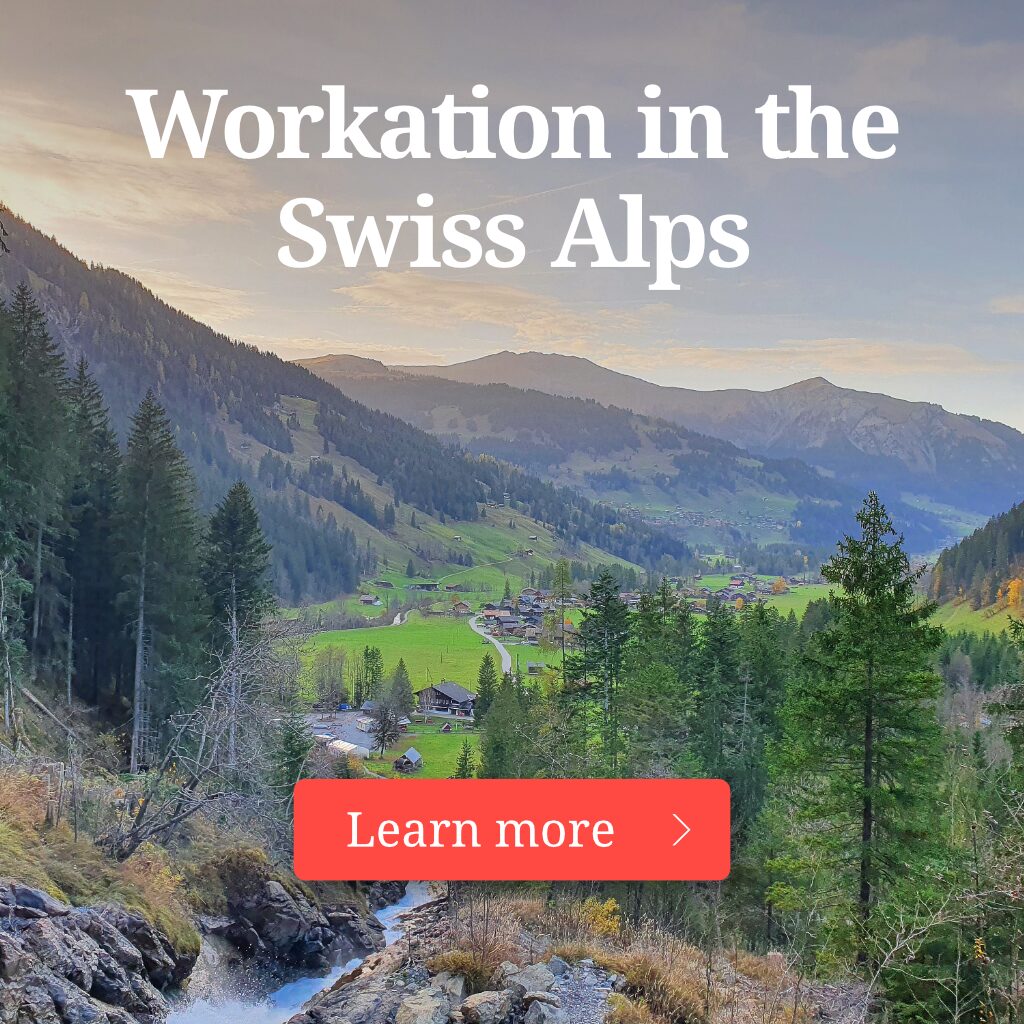
- Alpine regions (Swiss Alps, parts of the Balkans) often have a genuinely excellent shoulder season in late spring and early autumn: hiking trails are clear, temperatures are comfortable, and accommodation that’s locked up for ski season or summer tourism opens up at a fraction of the price.
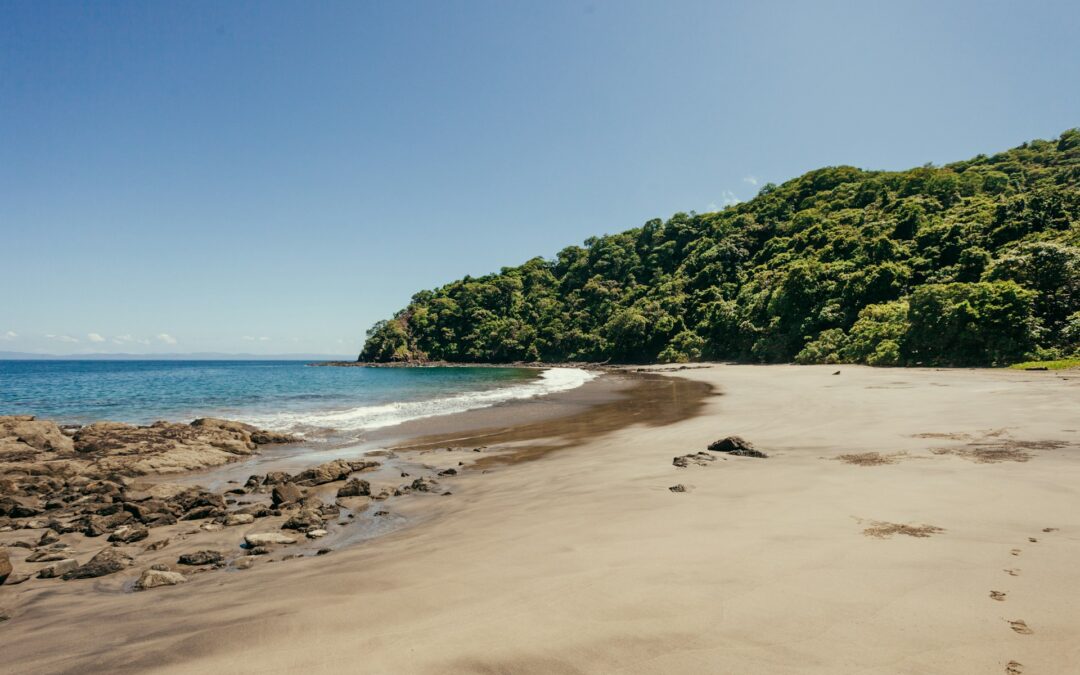
- Mediterranean and coastal towns flip the logic slightly — “off-season” there often means avoiding July–August heat and crowds in favor of May, June, September, or October, which still gives warm weather without the saturation.
- Rural and small-town destinations across Central and Southeastern Europe (Slovenia, Bosnia and Herzegovina, the Czech Republic) rarely have a brutal “high season” to avoid in the first place — which is exactly why they’re becoming popular base destinations for remote workers who want stability and value year-round, not a seasonal gamble.
The common thread: off-season isn’t about settling for worse conditions. In most of these places, it’s the better version of the destination — just without the marketing budget to tell you so.
The Catch (Because There Is One)
To be fair, off-season travel isn’t free of trade-offs.
Some businesses genuinely close or reduce hours outside peak season — smaller towns especially. Social scenes can be quieter, which is a feature if you want focus, but a real downside if you’re craving a built-in community. And weather, while often better for work, can be less predictable in shoulder seasons — pack for both sun and rain.
The fix for most of these issues is the same: go somewhere that’s specifically built for off-season remote workers, not somewhere that’s just a tourist town with the tourists temporarily gone. Operators like Hubs Travel run their coliving editions across off-season European destinations specifically — places where the infrastructure, community, and coworking setup are built year-round for long-stayers, not seasonal tourist traffic.
The Bottom Line
The best-kept secret in remote work travel isn’t a destination. It’s a season.
While everyone else is competing for the same overpriced apartment in the same overcrowded town during the same six-week window, the smarter move is happening quietly in the months on either side of it — cheaper, calmer, and frankly more conducive to the kind of life remote work was supposed to make possible in the first place.
The crowds will keep chasing peak season. The people actually building a sustainable remote life are already looking at the calendar differently.