
|
|
For decades, cities and regions have approached marketing with a familiar playbook: attract tourists, fill hotels, boost short-term spending, and promote iconic landmarks. The target audience was clear—visitors.
Today, that playbook is no longer sufficient.
As remote work, hybrid models, and global hiring reshape how companies operate, cities and regions are quietly becoming B2B actors in the global talent market. Their new “customers” are not just tourists or residents—but companies, founders, HR leaders, and distributed teams deciding where work happens.
This shift marks a fundamental change in how places compete—and how economic development works in a world where talent is mobile.
From Tourism Marketing to Talent Strategy
Traditionally, place marketing focused on short-term presence:
-
A weekend city break
-
A summer holiday
-
A conference or trade fair
But the rise of remote work has created a new category of visitor: long-stay professionals. These are people who stay for weeks or months, earn external income, and integrate—at least partially—into local life.
More importantly, these individuals often come through companies, not as isolated travelers:
-
Remote-first startups organizing team residencies
-
Companies running extended offsites
-
Scaleups allowing employees to work abroad temporarily
Suddenly, cities are no longer competing only on attractions—but on infrastructure, reliability, and quality of life for working professionals.
That’s a B2B conversation.
Cities as Platforms, Not Destinations
To understand this shift, it helps to reframe the role of a city.
In the industrial era, cities were production hubs.
In the tourism era, cities became destinations.
In the remote work era, cities are platforms.
A platform provides:
-
Access (connectivity, visas, mobility)
-
Infrastructure (housing, workspaces, services)
-
Stability (governance, safety, predictability)
-
Community (networks, culture, belonging)
This is exactly what companies evaluate when deciding where their people can work from.
When a municipality invests in coworking spaces, streamlines bureaucracy for foreign residents, or supports long-stay accommodation, it is effectively improving its “B2B product.”
Why Companies Care About Location—Again
For a few years, remote work narratives suggested that “location doesn’t matter.”
In reality, location matters differently now.
Companies are rediscovering geography through new questions:
-
Where can our team work productively without burnout?
-
Which locations support long-term stays, not just short visits?
-
How do time zones, infrastructure, and lifestyle affect performance?
-
Can location be a retention and attraction lever?
As a result, HR and leadership teams are increasingly open to place-based partnerships—with regions that can support their workforce.
This is where cities step into a B2B role.
How Municipalities Are Marketing Themselves to Companies
Forward-thinking cities are shifting from broad lifestyle messaging to structured value propositions aimed at organizations.
1. Selling Stability and Predictability
Companies don’t choose destinations the way tourists do.
They look for:
-
Legal clarity
-
Reliable internet and utilities
-
Healthcare access
-
Safety and governance
Cities like Tallinn have positioned themselves as digitally efficient and administratively transparent, which resonates strongly with founders and distributed teams.
This is not glamorous marketing—but it’s highly effective in B2B decision-making.
2. Positioning Around Talent Experience, Not Sightseeing
Instead of asking “Why should you visit?”, the new question is:
“Why should your team live and work here for two months?”
That shifts messaging toward:
-
Daily life quality
-
Work-life balance
-
Access to nature or cultural life
-
Community integration
Regions like Lisbon didn’t just become popular because of sunshine—they invested in coworking infrastructure, international communities, and services that make extended stays feasible.
3. Speaking Directly to Companies (Not Just Individuals)
A key evolution is audience targeting.
Instead of marketing solely to individuals, some cities now:
-
Attend HR and Future of Work conferences
-
Partner with remote-first companies
-
Develop landing pages aimed at employers
-
Offer structured programs for teams
This B2B framing signals maturity:
“We understand your constraints, not just your dreams.”
Regions Competing in a Global Talent Market
This shift is especially important for regions outside global capitals.
Remote work allows smaller cities and rural areas to compete—if they play their cards right.
For these regions, becoming B2B-friendly means:
-
Packaging long-stay offers
-
Supporting local housing providers
-
Creating predictable onboarding for newcomers
-
Acting as a single point of contact for companies or operators
When done well, this transforms regions from “hidden gems” into reliable partners for distributed teams.
The Economic Logic Behind the Shift
Why are municipalities investing time and money into this?
Because long-stay professionals generate high-quality economic impact:
-
They spend locally without competing for local jobs
-
They stay longer than tourists
-
They stabilize low-season economies
-
They often bring skills, networks, and visibility
From a policy perspective, this is more sustainable than pure tourism growth.
Cities are realizing that talent attraction is economic development.
From Branding to Partnerships
The most advanced cities are moving beyond branding toward active collaboration.
This includes:
-
Partnering with remote work platforms
-
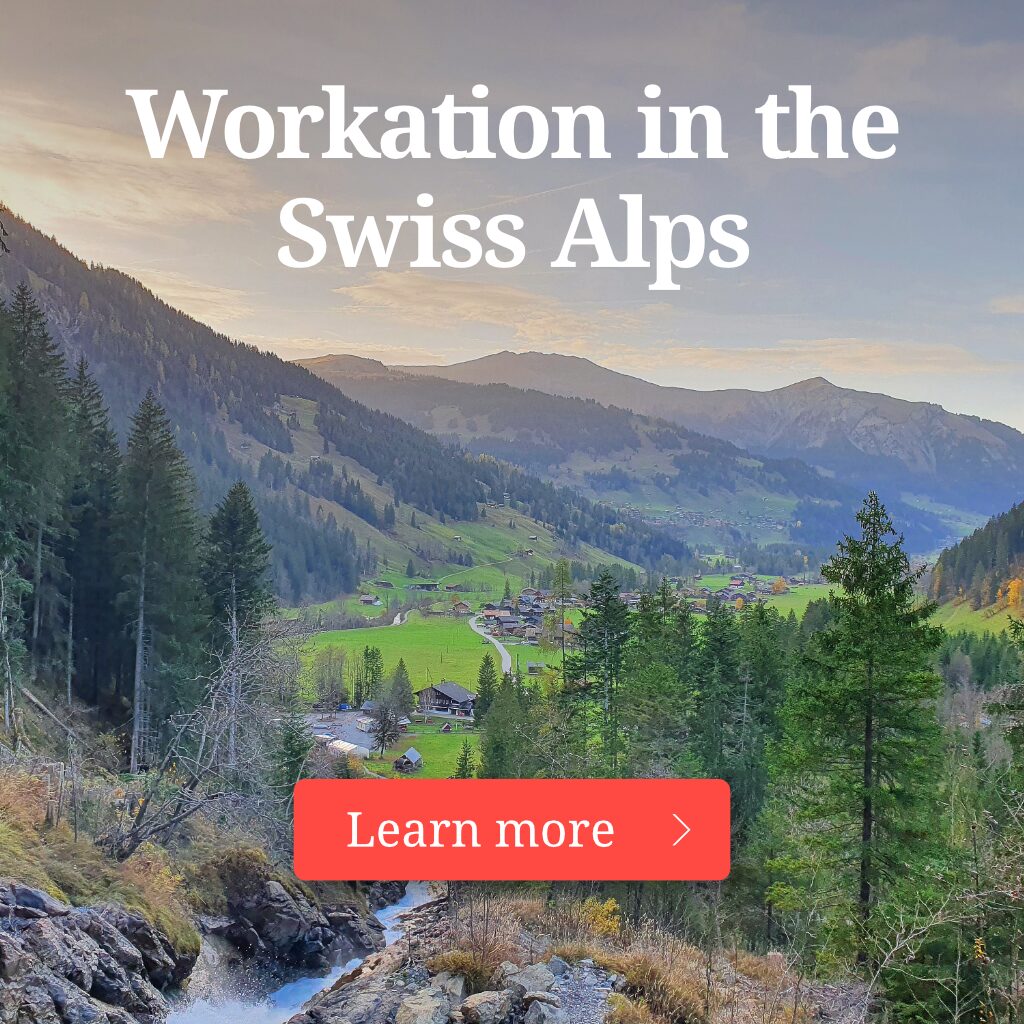
Supporting workation programs
-
Co-creating pilot projects with companies
-
Measuring impact beyond overnight stays
Instead of asking, “How do we promote ourselves?”, the question becomes:
“How do we integrate into companies’ workforce strategies?”
That’s a true B2B mindset.
Challenges Cities Still Face
This transition is not without friction.
Common challenges include:
-
Tourism boards lacking B2B expertise
-
Fragmented local stakeholders
-
Housing pressure and community resistance
-
Unclear ownership between departments
Many cities are still structured for tourism promotion, not talent strategy.
Bridging this gap requires new skills, new KPIs, and often new organizational models.
What Comes Next: Cities as Talent Infrastructure
Looking ahead, we’ll likely see:
-
Cities offering “work-ready” districts
-
Regions specializing in certain professional profiles
-
Municipalities competing on experience quality, not volume
-
Closer alignment between HR leaders and local governments
In this future, cities won’t just ask companies to invest—they’ll actively support how companies work.
The Verdict: A Quiet but Powerful Shift
Cities and regions are no longer just places people visit.
They are becoming strategic actors in the global talent economy.
By learning to speak the language of companies—reliability, experience, infrastructure, and ROI—municipalities are repositioning themselves from tourism sellers to B2B partners.
For companies navigating the future of work, this opens new possibilities.
For cities willing to adapt, it creates a path toward sustainable growth beyond tourism.
And for both sides, it signals a new reality:
talent mobility is now a shared responsibility between employers and places.